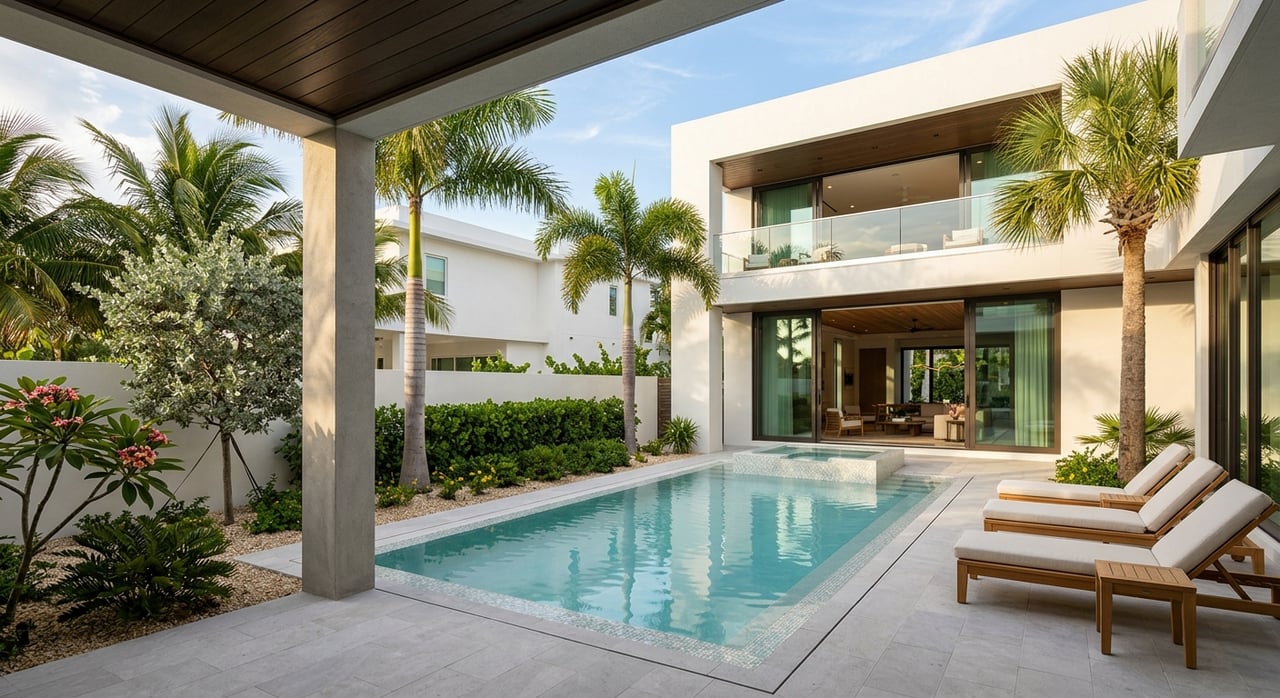
If you picture daily life with sand underfoot, waterfront sunsets close by, and a smaller beach-town setting that still gives you practical amenities, St. Pete Beach is worth a closer look. For many buyers, the question is not whether the area is beautiful. It is whether the lifestyle works for full-time living, a second home, or a low-maintenance coastal routine. This guide walks you through what it is actually like to live on St. Pete Beach, from beach access and getting around to dining, seasonality, and what type of buyer tends to feel most at home here. Let’s dive in.
St. Pete Beach at a Glance
St. Pete Beach is a barrier-island city in Pinellas County, just south of Treasure Island and across from St. Petersburg. According to the City of St. Pete Beach community overview, the city has about 10,000 permanent residents.
That number does not tell the whole story, though. The city also notes that nearly 28% of residential homes and condos are owned by people whose primary residence is elsewhere, so the population shifts with the seasons. As a resident, you feel that rhythm in traffic, beach activity, and the overall pace of town throughout the year.
Daily Life Centers on the Beach
On St. Pete Beach, the shoreline is not just something you visit on weekends. It becomes part of your routine. Morning walks, quick sunset stops, and beach days that do not require much planning are a real part of living here.
Pinellas County lists St. Pete Beach Access at 4700 Gulf Blvd with 235 parking spaces, restrooms, showers, a water fountain, three boardwalks, and swimming access. The city also maps public parking areas at Upham Beach, the county beach access park, and Pass-a-Grille Beach, along with many other access points.
City documents note 46 public beach access points stretching from Upham Beach to the southern end of the island in Pass-a-Grille. That wide range of access helps make the waterfront feel usable for day-to-day living, not just occasional recreation.
Public beach access is a real advantage
If you live here, easy access to the Gulf can be one of the biggest lifestyle perks. You are not relying on a private club or a long drive to enjoy the coast. Public access is built into the community in a very visible way.
At the same time, beach living comes with logistics. The city explains that public beach parking locations are mostly metered or pay-by-plate, and resident permits are available in areas including Upham Beach, Belle Vista, Don Cesar, and Pass-a-Grille. In practice, that means local knowledge matters, even for something as simple as where you park.
Outdoor Options Beyond the Sand
While the beach is the headline, St. Pete Beach offers more than just Gulf frontage. If you want green space, boating access, fishing spots, or casual recreation, you have several options within the city.
The city highlights Horan Park for its boundless playground, open lawn, picnic pavilion, restrooms, and water views. Egan Park includes a boat ramp, fishing pier, tennis courts, and pickleball courts, while McKenney Park offers a dog park, fishing pier, free parking, and a playground.
Paddleboard rentals are also available in several locations, including Pass-A-Grille Beach, Upham Beach, County Park Beach, and McKenney Park. If you like the idea of staying active without committing to a country-club style routine, that is a strong fit for the area.
Dining and Shopping Feel Local and Walkable
One reason St. Pete Beach appeals to both full-time residents and second-home buyers is that it has a neighborhood-commercial feel that is easy to enjoy. You can find places to eat, grab coffee, or spend a casual evening out without leaving the island.
Visit St. Pete-Clearwater’s guide to St. Pete Beach describes the area as a laid-back beach town and points to Corey Avenue and historic 8th Avenue in Pass-a-Grille as the city’s main street-style corridors. Those areas help give the city a more distinct local identity than a purely resort-driven beach market.
Corey Avenue and Pass-a-Grille each have a different feel
If you are comparing areas within St. Pete Beach, the setting can influence your day-to-day experience. Corey Avenue tends to appeal to buyers who want a more active restaurant and shopping corridor nearby.
Pass-a-Grille often draws people looking for a quieter, more historic feel. Both are part of the same city, but they can offer a different lifestyle texture depending on what you want most from your location.
Dining is part of the routine
The same Visit St. Pete-Clearwater source highlights a mix of beachside and waterfront dining, including Paradise Grille at Upham Beach, Agave, Nori Thai, Tuttorosso, Café Soleil, rooftop bars, and beach bars along the sand. For residents, that means dining out can feel more spontaneous and less like a special trip.
If you value being able to walk or take a short drive to a variety of casual spots, St. Pete Beach checks that box well. It is not a large city, but it offers more convenience and variety than some buyers expect from an island community.
Community Amenities Are Strong for an Island City
A common misconception about beach towns is that they are long on scenery but short on practical amenities. St. Pete Beach offers more day-to-day services than many buyers assume.
The city says its library and community services include free museum passes, adult and children’s programming, Wi-Fi, computers, voter-registration forms, and remote access to e-books and streaming services through the public library. The community center includes an ADA-accessible fitness facility, restrooms, internet access, and event space.
The city also notes a calendar of concerts, art shows, family events, parks programming, and museum and shopping outings throughout the year. For residents, that helps balance the resort feel with a more grounded sense of community life.
Getting Around Is Easier Than Many Buyers Expect
Living on a barrier island usually means thinking about access, traffic, and whether you need a car for every errand. On St. Pete Beach, a car is helpful, but it is not your only option.
The city operates Freebee shuttle service, which is a citywide on-demand shuttle for residents. That can be useful for local trips when you would rather skip parking.
Regional transit adds another layer of convenience. The same city resource notes that PSTA’s SunRunner connects St. Pete Beach and downtown St. Petersburg in about 35 minutes, with 15-minute daytime service and 30-minute evening service. PSTA’s Suncoast Beach Trolley also connects downtown Clearwater with the beaches.
The island lifestyle still has seasonal traffic
Transit options help, but they do not erase the area’s seasonal rhythm. During busier parts of the year, you should expect more activity from visitors and part-time residents.
For some buyers, that energy is part of the appeal. For others, it is something to plan around. Understanding that pattern is important if you are deciding between full-time beach living, a condo used part of the year, or a different coastal neighborhood nearby.
Weather Shapes the Lifestyle
The climate is a major reason people are drawn here. According to NOAA climate normals for nearby St. Petersburg, the annual mean temperature is 74.5°F, annual precipitation is 52.48 inches, and there is no snow normal.
Summer is hot and rainy, with average highs near 90°F and monthly rainfall above 7 inches from June through September. Winter is much milder, with temperatures in the low 70s. The city also says St. Pete Beach averages 248 sunny days per year.
Coastal living includes storm awareness
Beach living is rewarding, but it also asks more of you than inland living in a few practical ways. The city notes that hurricane season runs from June 1 through November 30, with the highest storm risk in August and September.
The city also provides beach-specific resources on sun safety, rip currents, sea turtles, red tide, beach cleanup, and other coastal topics. That is a good reminder that living here means staying aware of the environment, not just enjoying it.
Who St. Pete Beach Often Fits Best
From a lifestyle standpoint, St. Pete Beach often works well for buyers who want a lower-maintenance coastal routine with frequent access to the water. It can be especially appealing if you like the idea of a condo, a second home, or a full-time residence where dining, beach access, and local services are all close by.
It may also fit you well if you are comfortable with tourist-season activity and the planning that comes with hurricane season. The seasonal ownership share, parking permit setup, and mix of transit options all point to a market that rewards buyers who value convenience and flexibility over a more conventional suburban setup.
If you are deciding between St. Pete Beach, downtown St. Petersburg, or another Tampa Bay waterfront area, the right choice usually comes down to how you want your everyday life to feel. If you want help weighing beach access, property type, financing strategy, and long-term fit, Paul Simon can help you compare your options with a local, practical approach.
FAQs
What is daily life like for full-time residents on St. Pete Beach?
- Daily life often revolves around easy beach access, outdoor recreation, local dining, and a smaller island-community setting with practical amenities like a library, parks, and transit options.
How many public beach access points are available on St. Pete Beach?
- City documents note 46 public beach access points from Upham Beach to the southern tip of Pass-a-Grille.
Is a car necessary when living on St. Pete Beach?
- A car is helpful, but residents also have options like the city’s Freebee on-demand shuttle, the PSTA SunRunner to downtown St. Petersburg, and the Suncoast Beach Trolley.
What is the weather like throughout the year on St. Pete Beach?
- The area has a warm coastal climate with an annual mean temperature of 74.5°F, hot and rainy summers, mild winters in the low 70s, and no snow normal.
What types of buyers tend to like living on St. Pete Beach most?
- The lifestyle often appeals to condo buyers, second-home owners, and full-time residents who want low-maintenance coastal living, walkable dining, and frequent beach access.