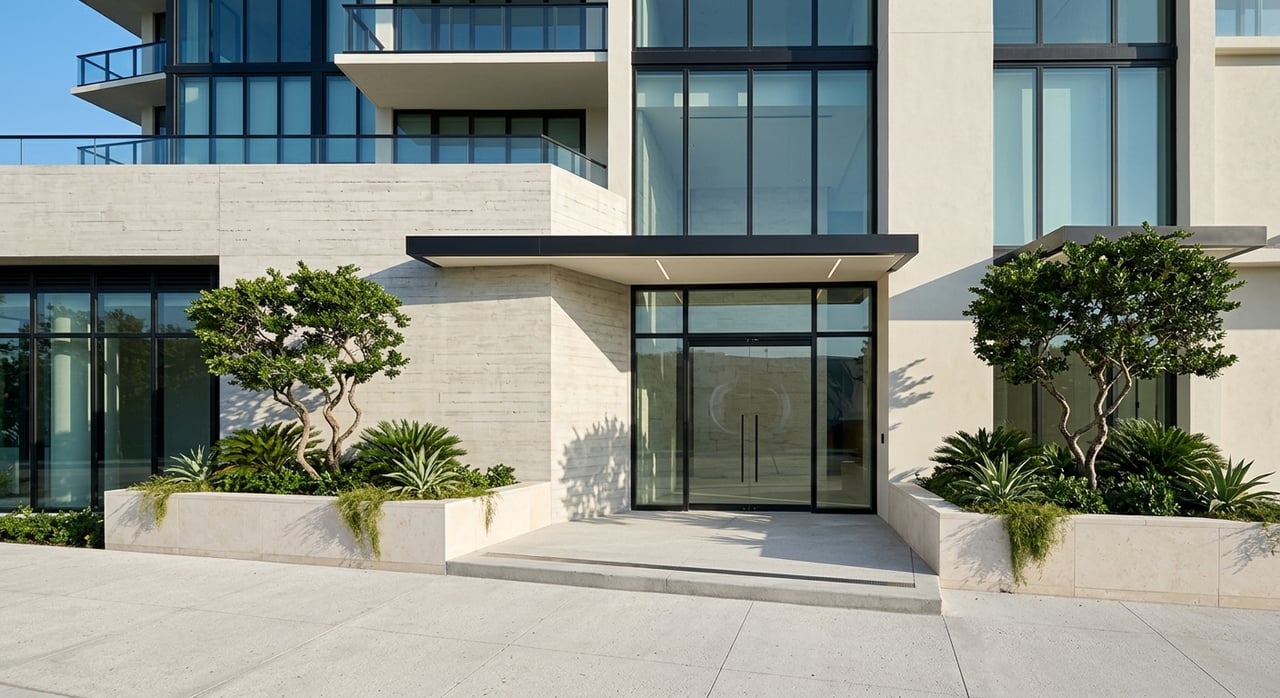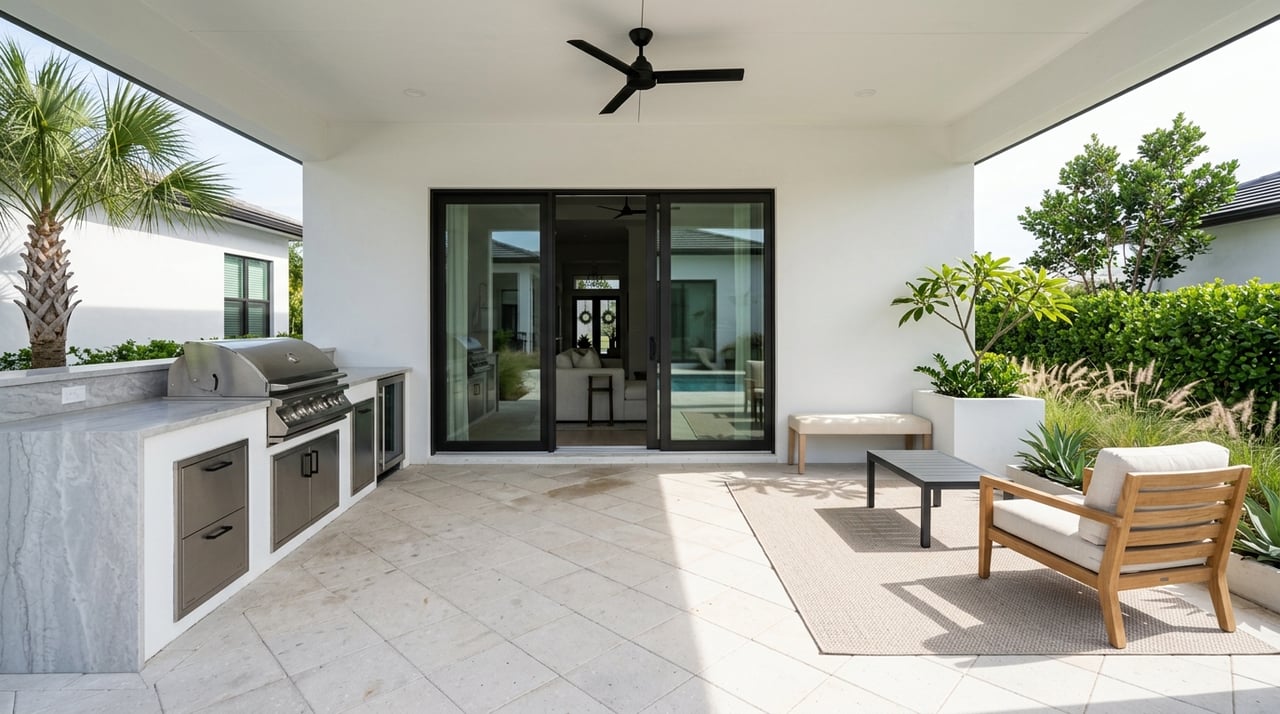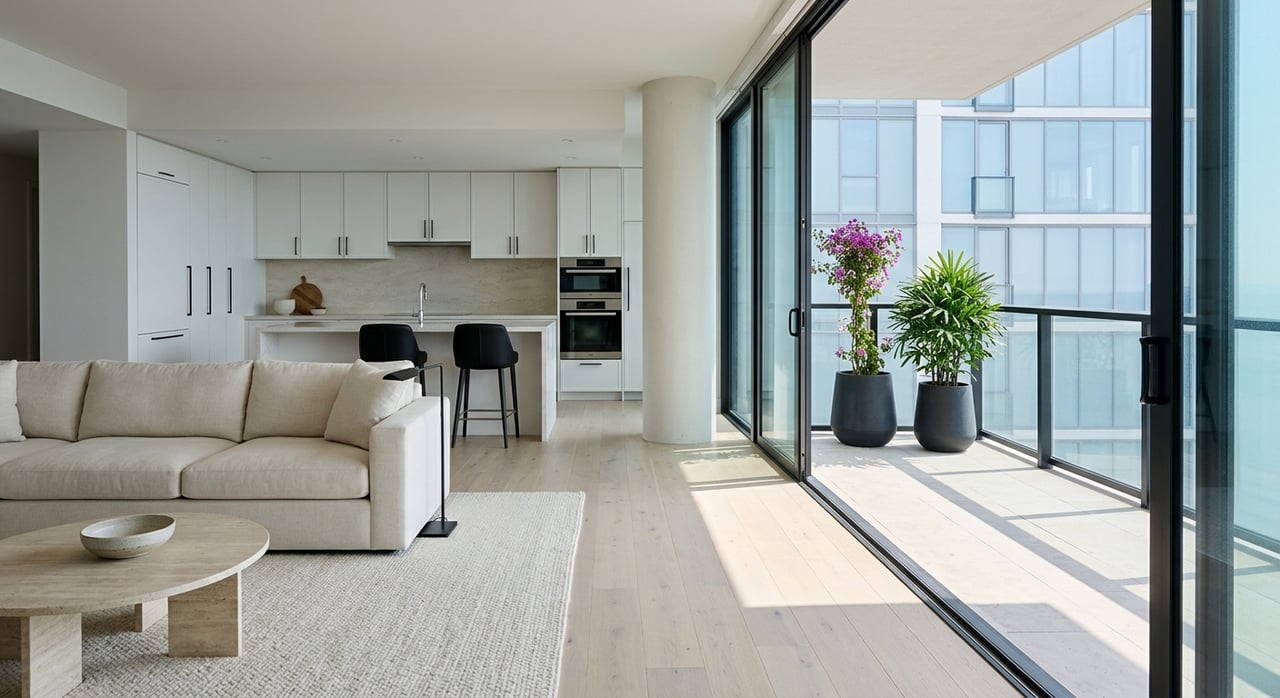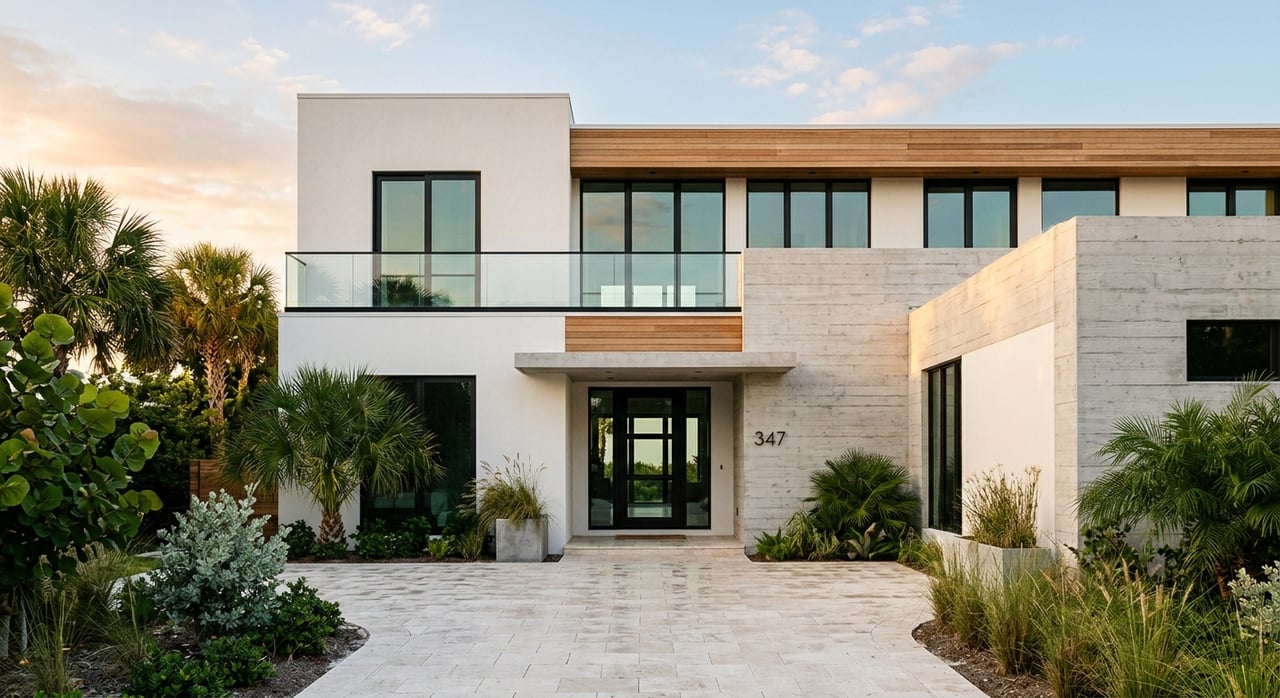
Trying to choose between a downtown condo and a beach home in St. Petersburg? It is a great problem to have, but it can also get expensive if you make the decision based on vibe alone. If you want a home that fits your budget, routine, and risk comfort level, you need to look beyond the view. This guide will help you compare cost, lifestyle, upkeep, and insurance so you can make a smarter move. Let’s dive in.
Compare the price picture
If you are looking in downtown St. Petersburg, you are shopping in a high-end condo market. In ZIP code 33701, Redfin shows 206 condos for sale at a median listing price of $1.39 million, while Realtor.com places the broader 33701 market at a $1.00 million median home sale price. Zillow also reports an average home value of $738,069 with about 81 days to pending in 33701, which helps show how varied the market can be depending on property type and methodology.
By comparison, St. Pete Beach is generally less expensive than downtown 33701, but it is still clearly a coastal premium market. Redfin reports a March 2026 median sale price of $599,000 in St. Pete Beach with 83 median days on market, while Realtor.com shows a $649,900 median listing price, 332 homes for sale, and conditions that lean toward a buyer’s market with homes often selling below asking. For broader context, the Florida Realtors Tampa-St. Petersburg-Clearwater MSA report shows a median sale price of $404,000 for single-family homes and $297,000 for townhouses and condos, which highlights how both downtown and beach options trade above metro norms.
Think about your daily routine
Your choice should match how you actually want to live day to day. Downtown St. Pete is the stronger fit if you want to walk more, drive less, and stay close to restaurants, offices, events, and waterfront attractions. Redfin describes 33701 as fairly walkable with a Walk Score of 77 and notes about 23,890 jobs in the area, which supports that urban, connected feel.
The mobility options downtown also reinforce that lifestyle. The St. Pete Pier notes you can get there by the Downtown Looper, Central Avenue Trolley, bike parking, and the SunRunner, and the pier also offers more than 500 on-site parking spaces. The St. Pete Downtown Partnership also highlights downtown walkability as an active focus, which tells you that the area is continuing to invest in a more accessible urban experience.
St. Pete Beach works differently. You are still close to great coastal amenities, but your routine is more access-oriented than walkable. The city’s parking and transportation page highlights parking permits, meters, and the Freebee shuttle, while Pinellas County’s St. Pete Beach Access park includes 235 parking spaces, restrooms, showers, three boardwalks, and swimming access, with fee-based parking.
Understand the maintenance tradeoff
This is where many buyers get clarity. A downtown condo can feel lower maintenance because much of the exterior and common-area responsibility sits with the condo association rather than with you directly. Under Florida condo law, associations can make and collect assessments and maintain, repair, and replace common elements.
That convenience comes with a tradeoff. If you buy a condo, you are also buying into HOA governance, budgeting decisions, and the possibility of regular or special assessments. The Florida DBPR explains that reserve funding may come through regular assessments, special assessments, lines of credit, or loans, which is why your monthly cost is not just your mortgage and basic dues.
A beach home gives you more direct control over your property, but it usually means more owner-managed upkeep. You are more likely to be responsible for the roof, exterior materials, storm prep, and ongoing maintenance planning. If you want a classic detached coastal property, that may be worth it, but you should go in with a realistic budget and timeline.
Review condo records carefully
If you are leaning toward a condo, due diligence matters more than ever in Florida. The DBPR condo guidance says milestone inspection and structural integrity reserve study records are part of the association’s official records and must be provided to prospective buyers. It also states that the SIRS deadline was December 31, 2025, and that an association with a milestone inspection due on or before December 31, 2026 may complete the SIRS at the same time.
That means you should not treat condo fees as a simple line item. You want to know what inspections have been completed, what reserve funding looks like, whether repairs are planned, and how the association is handling future costs. A condo with a lower monthly fee is not automatically the better buy if the building is underfunded.
Compare insurance and storm exposure
Insurance is one of the biggest differences between a downtown condo and a beach home. The Florida Office of Insurance Regulation explains that HO-6 condo coverage is generally walls-in, while the master policy typically covers the exterior structure and common areas. It also notes that HO-6 coverage usually does not include flooding.
For detached homes, the same state guidance notes that most homeowners policies exclude flood damage, hurricane deductibles are common, and some properties in wind-pool areas may need separate windstorm coverage. This is especially important if you are considering a beach property, where flood and storm exposure may play a much larger role in your total monthly cost.
St. Pete Beach’s own hurricane resources page says the city is a barrier island community, is highly vulnerable to hurricanes and tropical storms, has an average elevation of about 7.5 feet above sea level, and may require evacuation during serious storm threats. FEMA also advises buyers to review the effective flood map and flood zone information, especially because Special Flood Hazard Areas can trigger mandatory flood insurance requirements for federally backed mortgages.
Consider the middle path
If you want beach access but do not want the full maintenance responsibility of a detached home, a beach condo may be worth a serious look. Redfin shows 142 condos for sale in St. Pete Beach at a median listing price of $439,000. That can offer a more coastal lifestyle with a lower entry point than many downtown condos and less exterior maintenance than a standalone beach house.
This option is not automatically simpler, though. You still need to review association records, reserves, assessments, insurance structure, and property-specific flood considerations. But for many buyers, it creates a practical middle ground between urban convenience and Gulf-side living.
Use this decision framework
If you are still torn, ask yourself these questions before you focus on finishes or views:
- What is my full monthly carrying cost? Include mortgage, taxes, insurance, HOA dues, and likely maintenance.
- How often will I use downtown amenities? If you want restaurants, events, and walkability every week, downtown may justify the premium.
- How important is direct beach access? If being near the water is your top priority, the beach may be the better fit.
- Am I comfortable with storm and flood planning? This matters more on the barrier islands.
- If I buy a condo, has the association completed required inspection and reserve work? Review the records, not just the listing.
- Do I want lower day-to-day exterior responsibility or more direct control? That question often separates condo buyers from detached-home buyers.
Which option fits you best?
A downtown condo often fits buyers who want walkability, easier access to jobs and events, and less direct exterior maintenance. It can be a strong match for professionals, second-home buyers, and anyone who values a lock-and-leave lifestyle in the urban core. In a market like downtown St. Pete, that convenience often comes with a higher price point and more HOA-related due diligence.
A beach home often fits buyers who want a more coastal setting and are comfortable planning around flood review, storm readiness, insurance, and exterior upkeep. It can deliver a very different daily experience, but it also comes with a different ownership workload. If you love the coast and want more privacy or a detached-home setup, that may be the right trade.
The best decision is usually the one that matches your real habits, not your vacation mindset. If you want help comparing downtown condos, beach homes, or beach condos in the St. Petersburg area, Paul Simon can help you weigh the lifestyle, market, and financing details so you can move forward with confidence.
FAQs
What is the main cost difference between a downtown St. Petersburg condo and a St. Pete Beach home?
- A downtown condo often comes with a higher purchase price in 33701, while a St. Pete Beach home may have a lower median price but can carry different insurance, maintenance, and storm-prep costs.
What should you review before buying a Florida condo in downtown St. Petersburg?
- You should review condo fees, reserve funding, milestone inspection records, structural integrity reserve study records, and any history of special assessments.
Why does flood risk matter more for St. Pete Beach homes?
- St. Pete Beach is a low-lying barrier island community that is highly vulnerable to hurricanes, tropical storms, flooding, and possible evacuation during serious storm threats.
Is a beach condo in St. Pete Beach a good middle-ground option?
- A beach condo can offer coastal access with less exterior maintenance than a detached home, but you still need to review HOA governance, reserves, assessments, and insurance details carefully.
How do you decide whether downtown St. Petersburg or St. Pete Beach fits your lifestyle better?
- You should compare how often you will use walkable downtown amenities versus beach access, along with your comfort level for maintenance, insurance complexity, and storm-related planning.