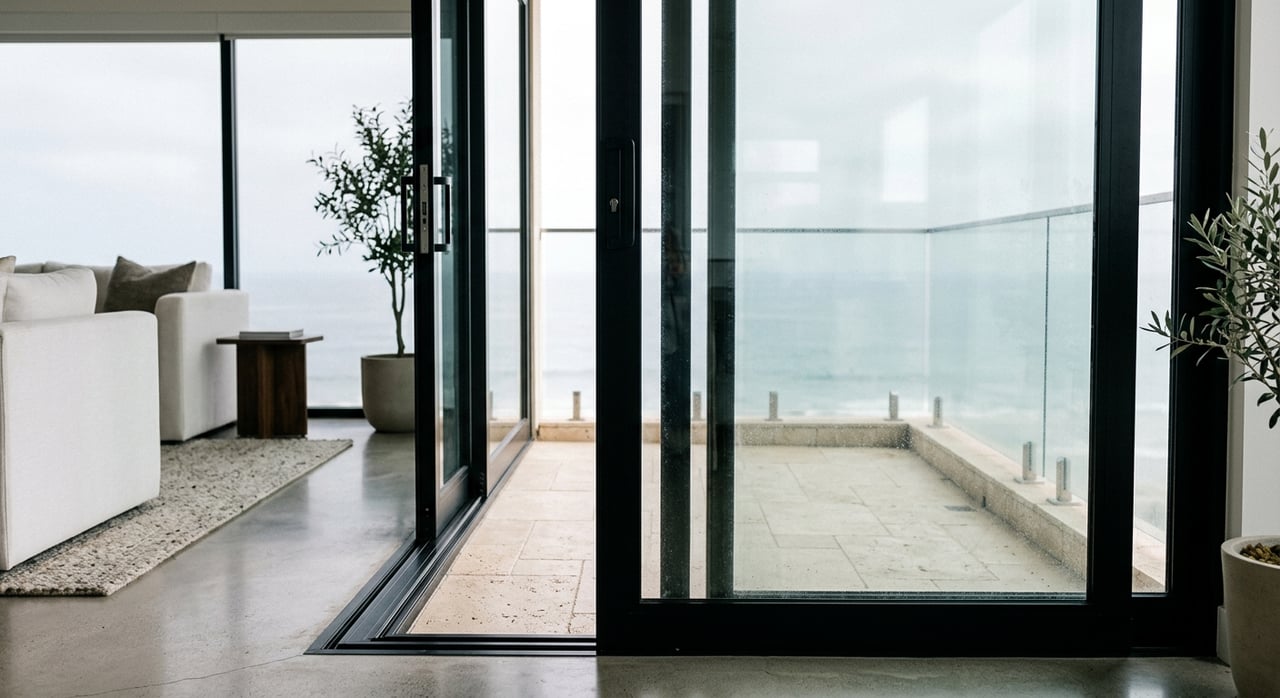
Dreaming about a place where you can trade routine for Gulf breezes on your own schedule? A second home on St. Pete Beach can offer exactly that, but the best experience usually comes from planning for both the lifestyle and the logistics. If you are considering a part-time coastal property here, this guide will help you think through daily living, ownership realities, and the kinds of homes that often fit best. Let’s dive in.
Why St. Pete Beach works for a second home
St. Pete Beach offers a setting that feels like a getaway without being cut off from everyday convenience. The local visitor bureau describes it as a laid-back Florida destination known for wide white-sand beaches, waterfront dining, and water activities. It is also about 12 miles west of downtown St. Petersburg, which helps make it feel accessible rather than remote.
That ease matters when you are not living here full-time. The city notes that there are multiple beach access points along Gulf Boulevard, along with metered street parking and public parking lots nearby. For many second-home buyers, that kind of practical access supports the simple, repeatable routine that makes a part-time property enjoyable.
What day-to-day life feels like
Second-home living on St. Pete Beach is often less about owning a specific address and more about owning a rhythm. You come for the beach, the water, and the relaxed pace, but you stay because it is easy to settle into familiar habits each time you return. That might mean morning walks, dinner on the waterfront, or quick beach afternoons between other plans.
Seasonality also shapes how you use the home. NOAA climate normals for the St. Petersburg station show an annual mean temperature of 73.9°F, with average highs around 70.6°F in January and 90.6°F in August. In simple terms, winter tends to feel sunnier and drier, while summer is warmer and wetter.
That seasonal pattern can influence how often you visit and how you plan your time here. January averages 2.38 inches of precipitation and February 2.43 inches, while June averages 9.73 inches and July 8.83 inches. If you picture a second home as a winter retreat with periodic summer stays, that climate pattern is worth factoring into your expectations.
Plan for coastal ownership from day one
On St. Pete Beach, practical planning should start early. For a second-home buyer, flood and storm questions are not side issues. They are part of the core purchase decision.
The city’s Flooding & Property resources direct buyers to FEMA flood maps, elevation certificate information, flood insurance resources, and Pinellas County mapping tools. Pinellas County also provides flood-zone, storm-surge, and evacuation-zone information, which can help you understand a property’s exposure before you buy.
For part-time owners, these questions carry extra weight because you may not be in town year-round. It is smart to think about how easy a property will be to monitor, prepare, and secure when you are away. A beautiful location is important, but so is a home that fits the reality of seasonal ownership.
Key ownership questions to ask
- What flood zone is the property in?
- Is storm-surge or evacuation-zone exposure a concern?
- What insurance considerations come with this location?
- How easy will it be to check on the property when you are not in town?
- How much hands-on maintenance will the home require between visits?
Understand second-home tax differences
Taxes can look different when a property is not your primary residence. In Florida, the homestead exemption applies when a property is your permanent residence. The Florida Department of Revenue says this exemption can reduce taxable value by as much as $50,000, and Pinellas County notes that the home must be your primary residence as of January 1 to qualify.
For most true second homes, that means you should not expect homestead treatment unless you later convert the property into your full-time residence. If that change happens down the road, it is important to know that the homestead exemption does not automatically transfer when you move. The state notes that some Save Our Homes assessment difference may be portable, but the exemption itself is not automatic.
This is one of the areas where early guidance can save you time. If you are comparing properties, understanding the ownership structure and likely tax treatment upfront can help you make a more informed decision.
Rental flexibility depends on zoning
Many second-home buyers ask the same question: can the property help offset costs when they are not using it? On St. Pete Beach, the answer depends heavily on zoning and occupancy rules.
The city states that short-term rentals under one month are not permitted in many districts. It allows transient occupancy under 30 days only up to three times per 12-month period in the RM zoning district and the Pass-A-Grille Overlay District. Rentals of one month or more are allowed citywide.
That means rental potential is not automatic just because a property is near the beach. If occasional income matters to you, zoning deserves the same attention as views, layout, or beach access. A property that looks ideal on the surface may not match your goals if its rental rules are more limited than you expected.
What to verify before you buy
- The property’s zoning district
- Whether under-30-day rentals are allowed there
- How often transient occupancy is permitted, if applicable
- Whether one-month-or-longer rentals fit your plans
- Any building-level rules if you are buying in a condo or townhome community
Choose a home that fits lock-and-leave living
For many second-home buyers, the right property is the one that is easiest to leave and enjoy. On St. Pete Beach, that often leads buyers toward lower-maintenance options that simplify exterior upkeep, storm prep, parking, and overall management. In many cases, condos and townhomes fit that profile well.
That does not mean a detached home is the wrong choice. A single-family home can offer more privacy, space, and a more traditional coastal living experience. The tradeoff is that it usually requires more direct attention when you are away.
The better question is not which property type is universally best. It is which one best supports the way you plan to use the home.
Condo vs. single-family tradeoffs
| Property type | Potential advantages | Potential tradeoffs |
|---|---|---|
| Condo | Lower-maintenance feel, easier lock-and-leave use, building management may simplify ownership | Building rules, shared fees, and less direct control over some property decisions |
| Townhome | May balance lower-maintenance living with more space than a condo | Rules and upkeep can vary by community |
| Single-family home | More privacy, more space, and often a more standalone coastal lifestyle | More hands-on upkeep, storm prep, and monitoring while away |
Features that matter more in a beach market
In a second-home search, convenience can matter just as much as square footage. Because St. Pete Beach living often centers on quick access and easy use, practical property features tend to carry extra value here.
Buyers often focus on items that support a smooth arrival and departure routine. That includes proximity to Gulf Boulevard beach access points, guest parking, elevator access, and secure storage. These details can make the difference between a property that feels easy to use and one that feels like work.
If you are buying with a luxury mindset, this is where lifestyle and strategy come together. A home can be visually impressive, but for part-time ownership, the best fit is usually the one that supports a seamless experience every time you return.
Think in routines, not just amenities
It is easy to shop for a second home by looking at finishes, views, and photos. Those details matter, but they are only part of the decision. The stronger long-term approach is to think about how the property will actually perform for you across multiple stays and seasons.
Ask yourself simple questions. How easily can you arrive on a Friday and settle in? How much preparation is required before you leave? How comfortable will you feel when the property sits vacant for stretches of time?
On St. Pete Beach, successful second-home ownership is often about repeatability. When the home is easy to enjoy, easy to secure, and aligned with your goals for taxes, rental flexibility, and maintenance, the lifestyle tends to feel much more rewarding.
If you are exploring second-home opportunities on St. Pete Beach, working with an advisor who understands both the coastal lifestyle and the practical side of ownership can help you evaluate your options with more clarity. For personalized guidance on luxury coastal homes, condos, and financing-related considerations, connect with Paul Simon.
FAQs
What makes St. Pete Beach appealing for a second home?
- St. Pete Beach combines a vacation-style setting with practical access, including wide beaches, waterfront dining, water activities, and multiple public beach access points along Gulf Boulevard.
What is the climate like for second-home owners on St. Pete Beach?
- The St. Petersburg area has an annual mean temperature of 73.9°F, with drier winters and wetter summers, so many owners find that seasonal weather shapes when and how they use the home.
Do second homes on St. Pete Beach qualify for Florida homestead exemption?
- Generally, no. Florida’s homestead exemption applies to a permanent primary residence, and Pinellas County says the property must be your primary residence as of January 1 to qualify.
Can you use a St. Pete Beach second home as a short-term rental?
- It depends on zoning. The city says rentals under one month are not allowed in many districts, and under-30-day transient occupancy is only allowed in limited circumstances in the RM zoning district and Pass-A-Grille Overlay District.
What property type works best for lock-and-leave living on St. Pete Beach?
- Many buyers prefer condos or townhomes for lower-maintenance ownership, while single-family homes can offer more space and privacy but often require more direct attention when you are away.
What should buyers check before purchasing a second home on St. Pete Beach?
- Buyers should review flood-zone information, storm-surge and evacuation-zone exposure, insurance considerations, tax treatment if the home is not a primary residence, rental rules, and how easy the property will be to manage between visits.