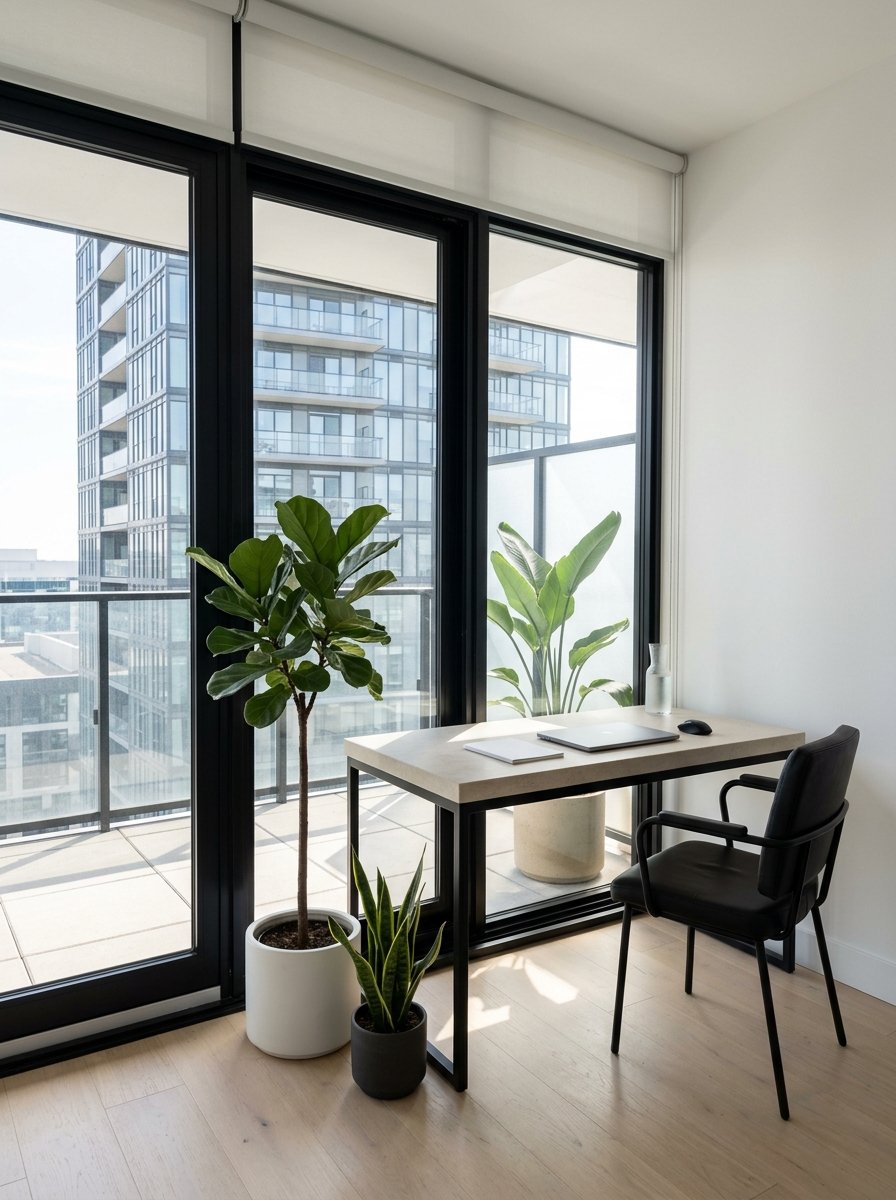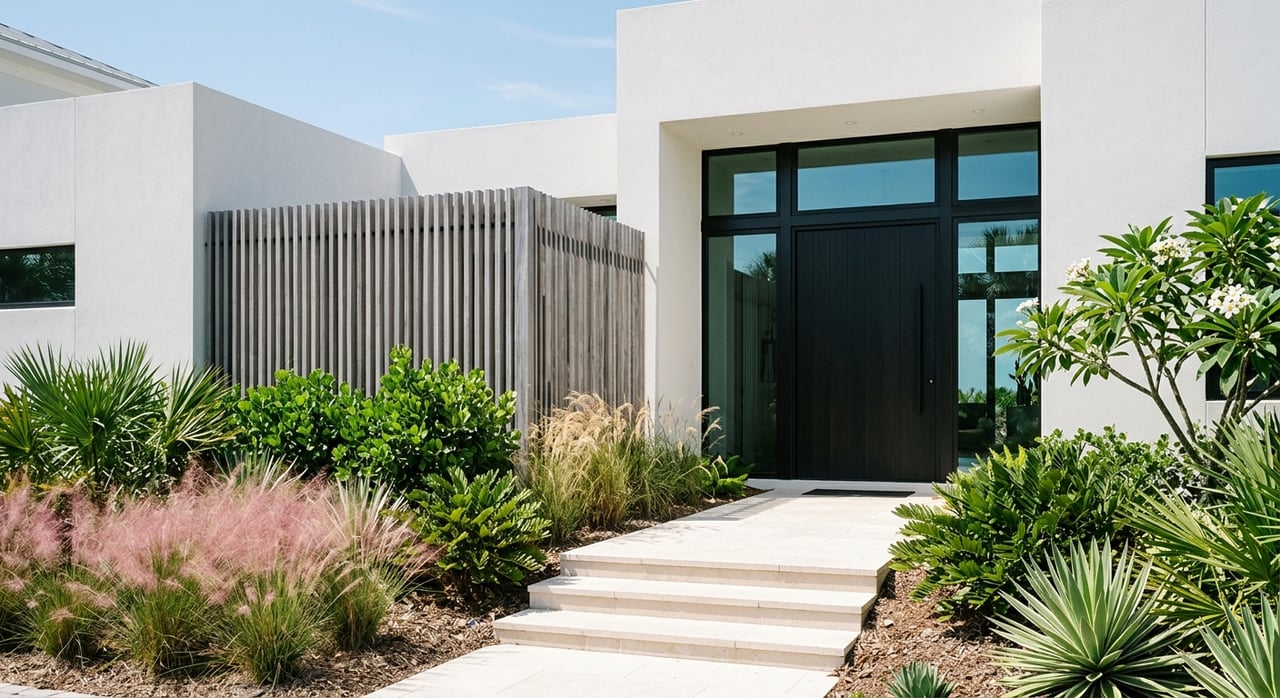
You already know the lifestyle shift is big. Moving from a downtown condo to a home in St. Pete Beach can mean more space, more privacy, and a stronger connection to the coast, but it also changes how you time the move, budget for ownership, and evaluate risk. If you plan the transition carefully, you can protect your equity, avoid timing surprises, and buy with more confidence. Let’s dive in.
Start With Your Move Strategy
The first decision is not the house. It is how you will sequence the sale of your condo and the purchase of your beach home.
Most moves like this follow one of three paths: sell first, buy first, or line up both transactions with contingencies. Each approach can work, but the right fit depends on your equity position, financing strength, and tolerance for temporary housing or overlapping payments.
Sell First for Clarity
Selling first can make the next purchase simpler because you know exactly how much equity you have available. That can help you shop with a firmer budget and reduce pressure during underwriting.
The tradeoff is timing. If your condo sells before your St. Pete Beach purchase is ready, you may need a short-term rental, a rent-back agreement, or another temporary plan.
Buy First With Financing Support
If you want to secure the right beach home before listing your condo, a buy-first plan may involve bridge financing. This can help you move quickly, but it also changes how a lender reviews your full financial picture.
Bridge financing is not just about access to funds. It can affect both assets and liabilities in underwriting, which is why early lender coordination matters if you want to buy before selling.
Use Contingencies to Coordinate Both Sides
In some cases, contract contingencies can help align the two transactions. A home-sale contingency gives you time to sell your current property, while a home-close contingency gives you time to complete that sale before closing on the next one.
These terms can create breathing room, but they are negotiated terms, not automatic protections. In a competitive setting, the strength of your offer still matters.
Understand How Your Condo Sale Can Affect Timing
Your condo is not just the property you are leaving. It can directly shape the timeline and certainty of your next purchase.
Condo lending can become more complicated when a building has deferred maintenance, financial instability, critical repairs, or special assessments. Those issues can affect buyer financing and delay your sale, even if your individual unit shows well and is priced correctly.
Review Building Conditions Early
Before you map out your move, take a close look at the condo association side of the equation. Shared financial responsibility, reserve levels, and repair status may all influence how smoothly your buyer gets to closing.
This matters because a delay on your condo sale can ripple into your beach-home purchase. If your next move depends on condo equity, identifying any potential building-related lending obstacles early is a smart first step.
Plan for Florida Homestead and Tax Changes
One of the biggest mistakes in a move like this is assuming your current tax benefits will simply follow you. In Pinellas County, they do not transfer automatically.
If your downtown condo is your current Florida homestead, the homestead exemption itself is nontransferable. However, if you qualify, you may transfer all or part of your Save Our Homes assessment difference to your new Florida homestead through portability.
Know the Portability Deadline
Timing matters here. In Pinellas County, portability is measured from January 1 of the last qualified homestead, not the date you sold it.
Your application for the new homestead and portability benefit must be filed by March 1 of the first year after you move. If you buy after January 1, the seller’s prior exemption is generally removed on December 31, so your benefit usually applies the following year once you file.
Estimate Taxes Before You Buy
If you are moving up from a condo to a higher-priced St. Pete Beach home, your taxes may change more than expected. Portability can help, but it may not fully offset the reassessment that comes with a new purchase.
Pinellas County provides tools designed to estimate taxes and account for portability. Using those numbers early can help you compare a sell-first, buy-first, or bridge-loan scenario with more accuracy.
Look Beyond Base Property Taxes
Do not stop at the base millage rate. Florida property costs can also include non-ad valorem assessments for things like drainage, lighting, or paving.
In a beach-area home, those added charges can change your annual carrying costs. That is why smart planning looks at the full property tax picture, not just the headline estimate.
Treat Flood and Insurance Review as Day-One Due Diligence
When you move from a downtown condo to a beach home, flood review should move to the front of your checklist. In St. Pete Beach, flood zone, elevation, drainage, storm surge exposure, and insurability are part of the affordability conversation from the start.
The city provides flood resources that point buyers to flood-zone maps, the Coastal High Hazard Area, FEMA maps, elevation certificates, county flood-map tools, and post-storm information. Those are not minor details. They are key parts of evaluating a property.
Check Flood Zone and Elevation Early
If a home is in a high-risk A or V flood zone and you are using a federally backed mortgage, flood insurance is required. Updated flood maps can also affect both coverage needs and cost.
That is why flood-zone review and the elevation certificate should happen early in your search, not at the end of the contract period. Knowing this up front helps you judge true monthly ownership costs.
Understand the 50% Rule Context
The City of St. Pete Beach notes that FEMA rules govern building in the city, including the 50% threshold. For buyers, this is a reminder that coastal ownership comes with rules tied to floodplain and building conditions.
You do not need to become an expert in local flood regulation overnight. You do need to make sure the property’s flood and improvement context is part of your buying decision.
Prepare for a Different Ownership Experience
A downtown condo and a detached beach home offer very different ownership models. That shift is about more than square footage or outdoor space.
In a condo, the HOA or board typically maintains common areas and common elements, and owners share financial responsibility for those spaces and amenities. In a detached beach home, more of the site, structure, and exterior upkeep usually becomes your direct responsibility unless the neighborhood also has an HOA.
Expect More Control and More Responsibility
Many buyers make this move because they want more privacy, more flexibility, or a stronger sense of ownership. A beach home can absolutely deliver that.
At the same time, it usually means more maintenance planning, more storm-readiness work, and a more hands-on approach to the property itself. That tradeoff is often worth it, but it should be part of your planning from the beginning.
Build Your Timeline Around the Details
A smooth move from downtown St. Petersburg to St. Pete Beach usually comes down to coordination. Your sale timeline, purchase strategy, tax planning, and flood review all need to work together.
That is especially true if you are relying on condo equity, considering bridge financing, or trying to preserve portability. The earlier you align those moving parts, the fewer last-minute surprises you are likely to face.
A calm, well-run transition starts with the right questions: When should you list? How will your condo building affect timing? What will the new tax bill really look like? How will flood zone and elevation affect insurance and long-term ownership?
If you are thinking about making this move, working with an advisor who understands both coastal property strategy and financing can make the process much more efficient. To plan your next step in St. Pete Beach with a clear, local approach, connect with Paul Simon.
FAQs
What is the best way to move from a downtown condo to a St. Pete Beach home?
- The best approach depends on your equity, financing, and timing goals. Most buyers choose to sell first, buy first with bridge financing, or coordinate both transactions with contract contingencies.
How can my condo building affect the sale of my downtown St. Petersburg condo?
- Condo sales can be affected by issues such as deferred maintenance, special assessments, critical repairs, or association financial instability, because those factors may impact a buyer’s financing.
Does homestead portability automatically transfer to a new St. Pete Beach home?
- No. Florida homestead does not transfer automatically, and eligible owners must apply to transfer all or part of their Save Our Homes benefit to a new homestead.
When should I apply for homestead and portability in Pinellas County?
- For a new homestead in Pinellas County, the filing deadline is March 1 of the first year after you move, and portability is measured from January 1 of the last qualified homestead.
Why should flood zone and elevation matter when buying a St. Pete Beach home?
- Flood zone and elevation can affect insurance requirements, ownership costs, and long-term resale considerations, so they should be reviewed early in the buying process.
What changes when moving from a condo to a beach home in St. Pete Beach?
- The biggest shift is moving from shared-building ownership to more direct responsibility for the lot, structure, exterior upkeep, and storm-readiness of the property.