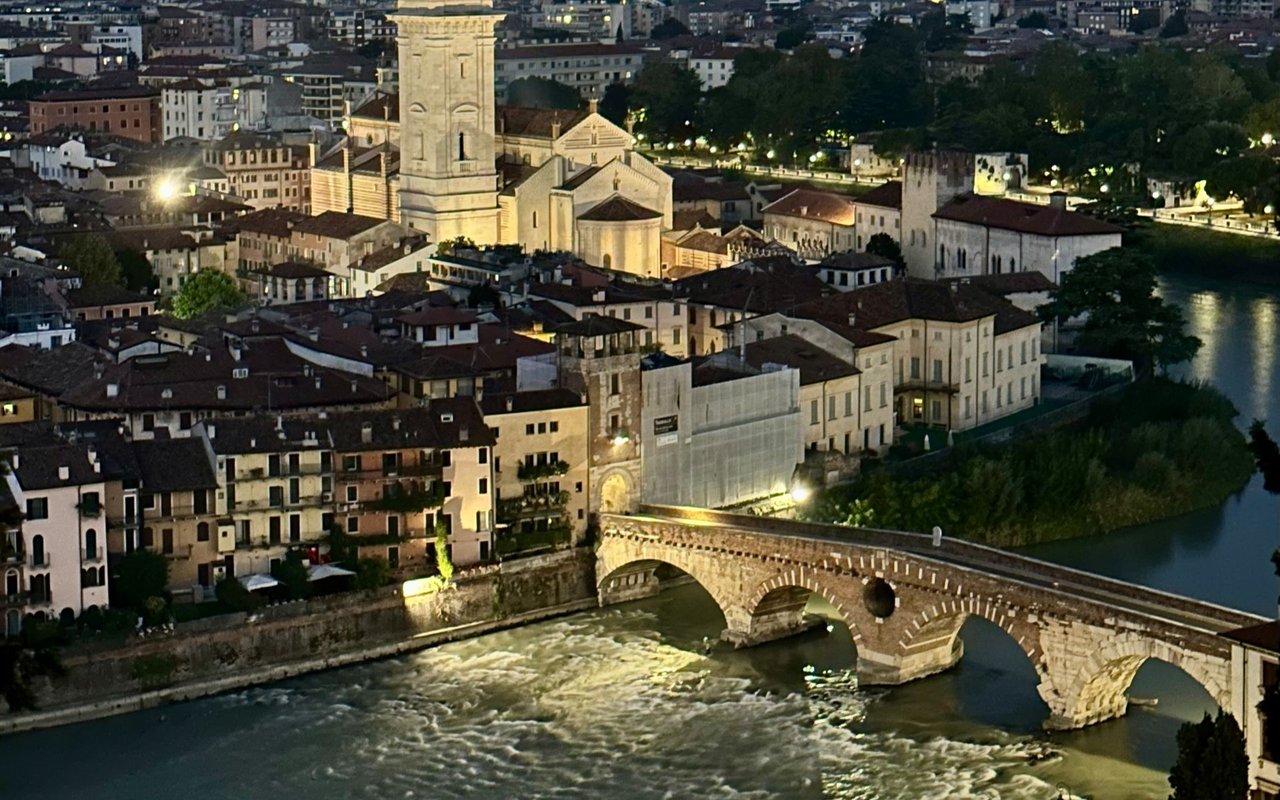
As we developed the idea of moving to Italy, we had 3 separate expectations. The first is daily living. What would a life in Italy look like from the day-to-day routine? Second, short trips: could we manage to travel to a location close to our adopted home with the ease of an Italian? 3rd, traveling throughout Europe and the Mediterranean region, we all hear stories of 20-euro plane tickets and bullet trains. Would this be a true picture of living in Italy?
The first expectation was both an expectation and a concern: what would daily life in Italy encompass? Before we could envision how we would live daily, we had to decide where we would choose to buy.
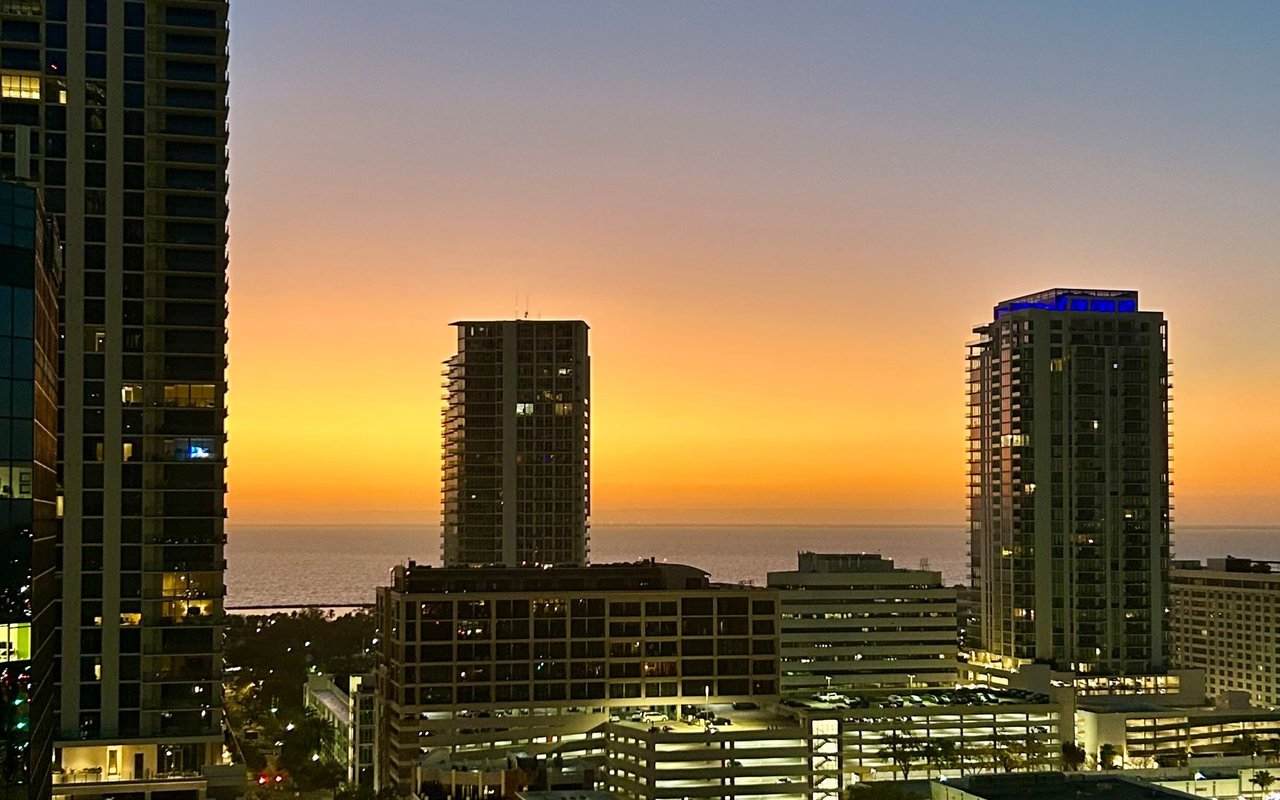
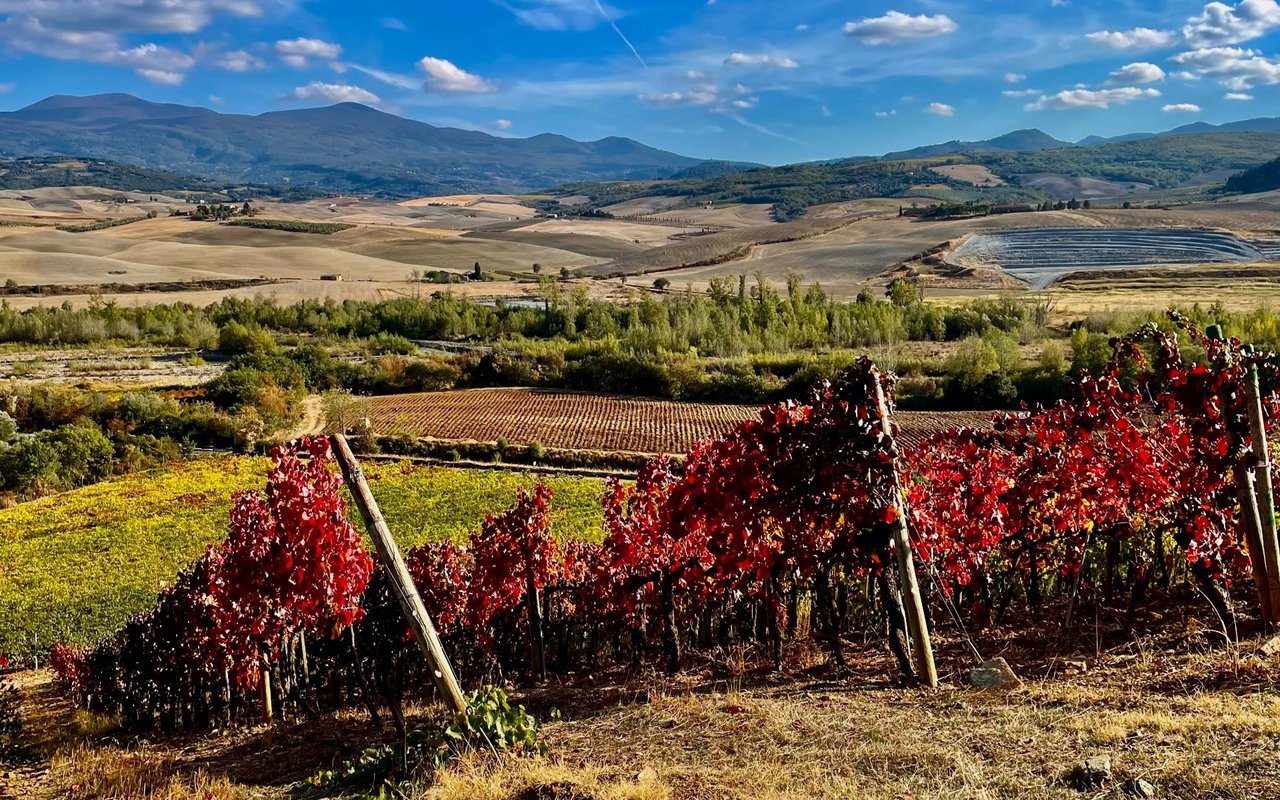
Over the last few years, we have traveled quite extensively throughout the central and northern regions of the country, from the Amalfi Coast to the Alps and from the Mediterranean Sea to the Adriatic. Everywhere we visited was special in its own way, and we loved them all! Should we pick a place along the coast or a hill town in the middle of Tuscany? Maybe a magical place like Florence or one of the lakes; the possibilities are endless. We thought about the lifestyle we enjoy in our home currently, which is in the downtown area of St. Petersburg, FL. For ourselves, we like the interaction of city life and felt that a location in a remote area, no matter how beautiful, would leave us feeling isolated, so we focused our attention on a city.
Rome and Milan were certainly too large for us; Florence, although beautiful, is expensive and a little too busy, as is Venice. The three towns we considered to be the right size and with a great history were Siena, Lucca, and Verona. We ultimately decided on Verona; it had the perfect mix of Roman, medieval, and Renaissance history. It was on the main rail lines between Venice, Milan, and Florence and has a regional airport with frequent daily connections to London, Paris, and Frankfurt.
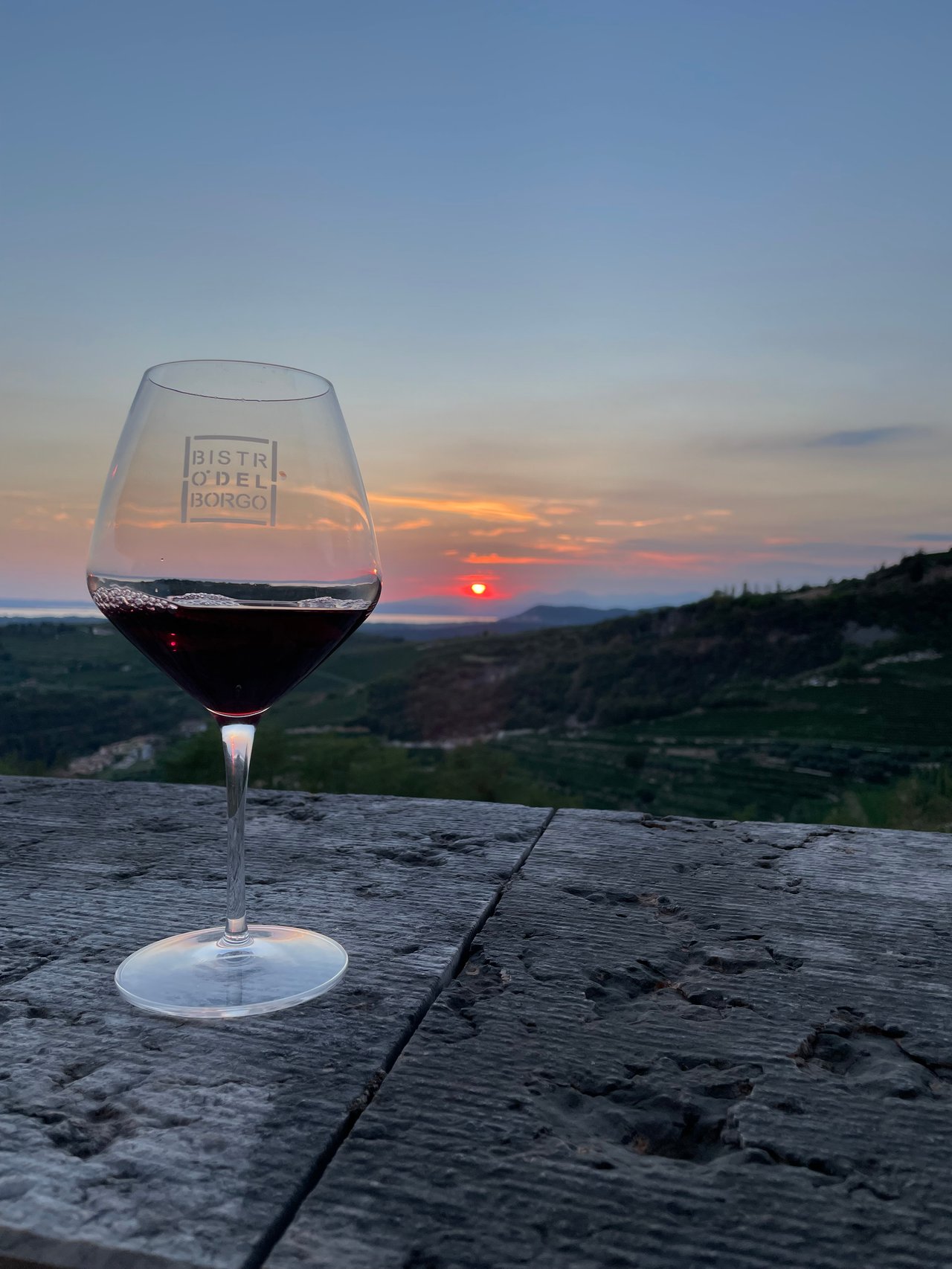
The most important factor in our decision to buy in Verona was the fact that we had friends we had met over the years from the Valpolicella wine region that surrounds Verona. We cannot stress enough that having a local connection to help guide you through the many facets of the Italian real estate world is crucial. Although our friends are in the wine business and not real estate, Italy is a network of personal connections, so having just one connection will allow you access to a network where you can find the professionals needed to navigate the process.
We will expand on the process of buying in Italy in a later chapter, so (allora) back to the first expectation: how would life in Italy look from the day-to-day routine? It took a few weeks to get into a routine, as with any move, foreign or domestic, there are hundreds of details. Closing on the property, switching the electric and gas, setting up internet service, buying furniture (yes, there is an Ikea store), etc. Once we were past the initial few weeks, we started to settle into our daily lives. Coffee made in a Bialetti Moka maker, usually followed by a walk. Lunch at our new favorite café and shopping for the basics, meats, cheeses, and bread. The distance to the closest small market was a half-mile round trip; the more traditional grocery store is a two-mile round trip. You buy what you can carry (too much pride to use a little old lady pull cart)! The evenings would vary; we made friends rather quickly, along with the people we already knew, so 2-4 nights a week, we had dinner out or at someone’s home. The remaining time was split between dinner out with just the 2 of us or, if we had a big lunch, staying in and eating light. As Americans, we tend to eat in the 5-6 o’clock hour, but in Italy, most of the restaurants don’t open until 7:30, so eating late was something we had to get used to.
Life in America can become very mundane, and you find yourself on autopilot. In Italy, we were very conscious of our time. Verona has a beautiful history that spans 2000 years, and we made an effort to explore as much as possible on a daily basis. It was not uncommon for us to walk 5-10 miles a day through the old city and surrounding hills. At this point, we speak very little Italian; we found that most of the younger people speak some English, but very few of the older Italians know any English. Places such as restaurants and bars tend to have someone who speaks English, but the little markets and stores do not! We found ourselves pointing a lot and using Google Translate when we could not bridge the communication gap. For the most part, we could navigate the language barrier until it came time to set up a bank account.
The writers of Saturday Night Live could not have come up with a skit as amusing as the effort it took or the cast of characters involved in the bank account procedure. Let’s just say after our 5th visit and probably a total of 6-7 hours in the bank, we have an account, a checkbook, the bank’s app, and almost a debit card. The debit card arrived at the branch a month after we had to return to the states and will expire the week before we return because we can’t activate it before the deadline (the comedy continues)!